
10 Tips to Improve Employee Experience
Employee experience is crucial for your company’s success. Learn the best strategies to improve it.
Table of Contents
Ever walked into an office and felt an immediate sense of “meh”? That’s what a lackluster employee experience does — it drags everyone down. The future of work demands a shift in focus. Unlocking employee experience is the key to unlocking your company’s full potential. This article explores the importance of employee experience and offers actionable strategies and ideas to improve it.
What Exactly Is Employee Experience?
Employee experience (EX) encompasses every touchpoint and interaction an employee has with their organization from the moment they apply for a job to the day they leave. Think of it as the employee’s journey map, filled with highs, lows, and everything in between. This journey includes the physical environment they work in, the company culture they immerse in, and the technology they use to get their job done.
Components of Employee Experience
-
Physical Environment: This includes the workspace design, facilities, and overall office ambiance.
-
Company Culture: The values, beliefs, and behaviors that shape how work gets done in an organization.
-
Technology: The tools and platforms employees use to perform their tasks.
Why Employee Experience Matters
A stellar employee experience isn’t just a nice-to-have — it’s a must-have. Here’s why:
-
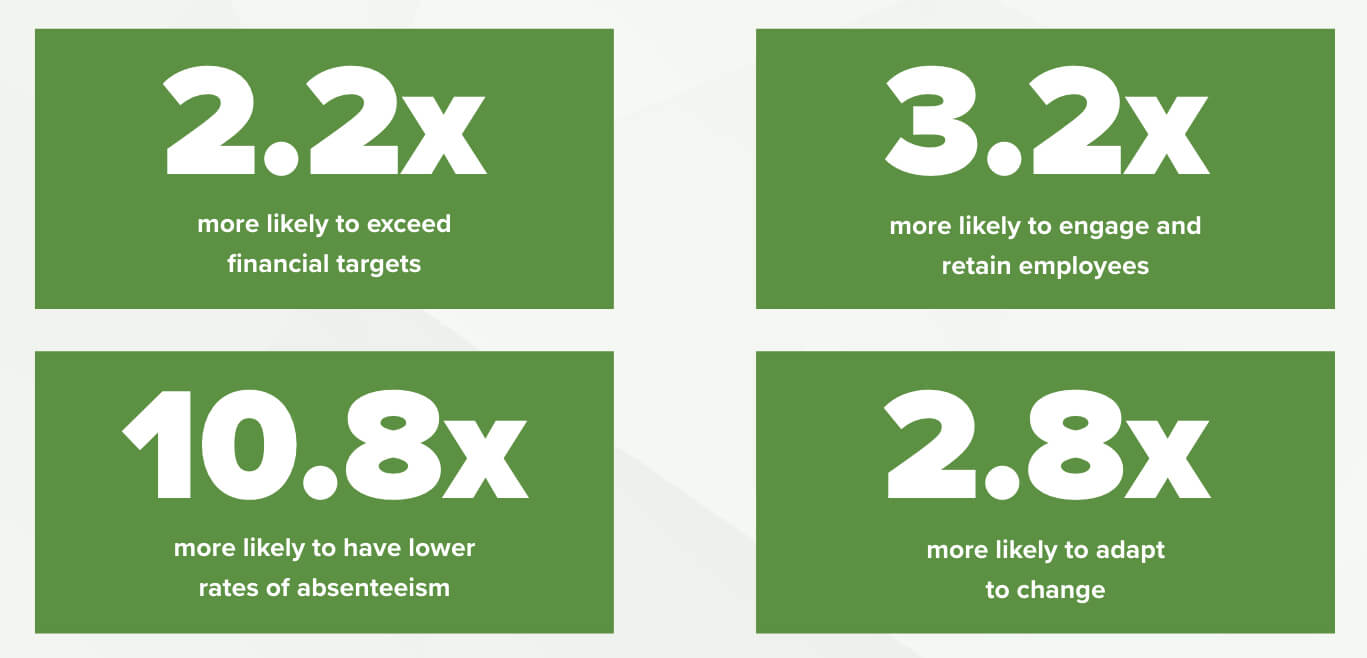
Increased Productivity: Happy employees are simply more productive employees: Gallup research indicates that highly engaged business units experience a 14% difference in productivity compared to those with lower engagement. When employees feel valued and supported, they’re more likely to go above and beyond in their roles.
-
Reduced Turnover Costs: A positive employee experience at the workplace decreases employee turnover, saving companies time and resources associated with recruitment and onboarding. Research shows that organizations with a strong positive employee experience see an 18% difference in turnover in high-turnover organizations, and a staggering 43% difference in turnover in low-turnover organizations.
-
Innovation and Growth: When employees feel heard and valued, they are more likely to contribute innovative ideas and solutions.
-
Improved Morale: Employees who feel valued and supported contribute also positively to the workplace environment. High morale boosts collaboration, creativity, and a willingness to go the extra mile. According to studies, business units with high employee engagement see 10% higher customer ratings and a 18% increase in sales.
-
Enhanced Customer Satisfaction: There is a clear link between employee experience and customer experience. Engaged employees are more likely to provide better service, leading to higher customer satisfaction and loyalty. This relationship drives better financial performance and competitive advantage.
Or with different numbers:
The 7 Stages of the Employee Life Cycle
Understanding your employees’ needs throughout their journey, from wide-eyed newbie to seasoned pro, is key. Their aspirations, concerns, and even anxieties shift over time. By knowing these 7 stages of an employee life cycle, we can tailor our employee experience strategy to keep them engaged, motivated, and reaching their full potential!
1. Attraction — Your Perfect Match!
The employee engagement journey starts with building your dream team, and that all begins with attracting the right talent. To find the perfect match, you want to showcase your company’s unique personality and values to reel in individuals who resonate with your culture.
Key Actions:
-
Develop a compelling employer brand that showcases what makes your company special.
-
Design targeted recruitment marketing strategies to reach the right talent pool.
-
Craft clear and engaging job postings that grab candidates’ attention.
2. Recruitment
The recruitment stage of your employees involves the processes and interactions that occur during hiring. A seamless and transparent recruitment process can set a positive tone and create a strong first impression of the new workplace.
Key Actions:
-
Simplify the application process – make it user-friendly and ditch any unnecessary hurdles.
-
Keep communication clear and consistent — no one likes being left in the dark.
-
Ensure a positive candidate experience, no matter the outcome.
3. Onboarding
Onboarding isn’t just about paperwork and office tours – it’s about transforming wide-eyed newbies into confident, contributing members of your team. A well-structured onboarding program sets clear expectations, provides the necessary training (think engaging workshops, not mind-numbing lectures!), and most importantly, makes the new employee feel welcome and valued.
Key Actions:
-
Develop a structured onboarding program that provides a clear roadmap for new hires.
-
Assign mentors or buddies to offer support and guidance to new team members.
-
Utilize user-friendly tools like Confluence (we’ll delve deeper into this later) for training and resource sharing.
4. Development
Employee development is about offering regular training programs and workshops, not to mention exciting opportunities for professional growth and career advancement. Encourage employees to set personal and professional development goals – after all, their success is your company’s success!
Key Actions:
-
Offer regular training programs and workshops to equip your team with the latest skills.
-
Provide opportunities for professional growth and career advancement – help your employees reach their full potential.
-
Encourage employees to set personal and professional development goals.
5. Retention — Holding on to Your Heroes
Once you’ve invested in attracting, recruiting, onboarding, and developing your employees, retaining them becomes crucial. This stage focuses on keeping employees satisfied, engaged, and committed to the organization over the long term.
Key Actions:
-
Foster a positive company culture and work-life balance.
-
Recognize and reward employee contributions.
-
Conduct regular check-ins and surveys to gauge employee satisfaction.
6. Separation — The Art of Offboarding
The separation phase, while often overlooked, is just as crucial as any other stage in the employee life cycle. Handling exits gracefully ensures that departing employees leave on a positive note, which can turn them into ambassadors for your company and possibly pave the way for their return in the future. It also provides valuable feedback for your organization to improve the employee experience continually.
Key Actions:
-
Conduct thorough exit interviews to gather valuable feedback and improve the employee experience.
-
Ensure a respectful and professional offboarding process.
-
Maintain positive relationships with departing employees – leave the door open for future opportunities.
7. Alumni
The employee journey doesn’t truly end when someone leaves. Our alumni – former employees who’ve moved on to new adventures – can become valuable advocates for our company! Think of them as brand ambassadors, spreading positive word-of-mouth and potentially even returning as boomerangs.
Key Actions:
-
Create an alumni network to keep in touch with former employees and build lasting connections.
-
Host alumni events and reunions – provide opportunities for them to reconnect and share experiences.
-
Encourage alumni to stay connected.
So far, so good! Now that we’ve unpacked the 7 stages of the employee life cycle and its importance, you might be wondering: What’s next?
Now, it’s time to roll up your sleeves and get practical. The next section focuses on crafting a winning employee experience strategy. Let’s dive in and unlock the full potential of your team!
Building a Winning Employee Experience Strategy
Here are some constructive ideas to bring momentum and engagement into your workplace. But please remember: every company has its own style, spirit and strategies. Therefore, only a few points may be suitable for your individual company. Just pick the ones that suit you best!
Strategies to Improve Employee Experience: From Onboarding to Ongoing Engagement
1. Measure Employee Experience
You can only improve what you can measure. Instead of guessing where issues lie, base your strategies on concrete data. Regularly measure the employee experience in the workplace to pinpoint the exact areas that need adjustment.
Here’s how to measure the employee experience effectively:
-
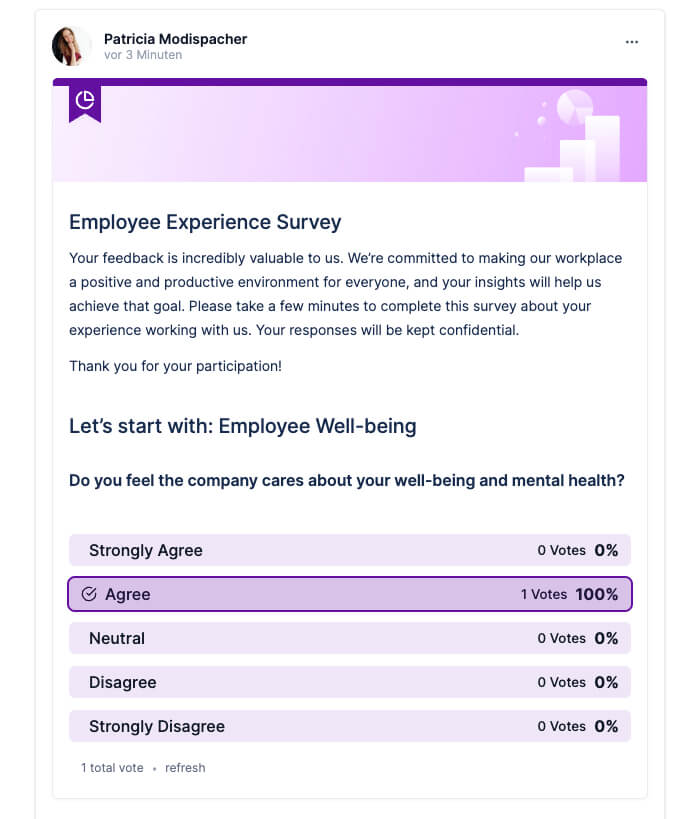
Surveys and Questionnaires: Use a mix of open-ended and close-ended questions to capture both quantitative and qualitative data. Use Google Forms, your social intranet solution or any other communication tool.
-
Employee Net Promoter Score (eNPS): is a simple yet powerful metric that gauges employees’ willingness to recommend their workplace to others.
-
Exit Interviews: When employees leave, it’s a prime opportunity to gather candid feedback about their experience.
-
Performance Metrics: Metrics such as productivity, absenteeism, and turnover rates can provide insights into how engaged and satisfied your employees are.
2. Foster a Supportive Feedback Culture
Imagine a workplace where feedback is not feared, but welcomed. Just the atmosphere of having a welcoming feedback culture has a positive effect on employees. They feel valued and empowered to share their insights, knowing their voices will be heard and considered.
To cultivate this supportive environment, prioritize regular one-on-one meetings and anonymous surveys. Actively listening and demonstrating transparency are key. Acknowledge concerns, explain the decision-making process, and most importantly, take action on actionable feedback. You can read more about that in our article about feedback culture.
3. Connect Employees and Leadership
The CEO shouldn’t be some mythical creature whispered about in hushed tones around the water cooler. They should be a regular coffee-buddy, someone you can bounce ideas from. Regular, informal interactions between employees and leadership can make this a reality.
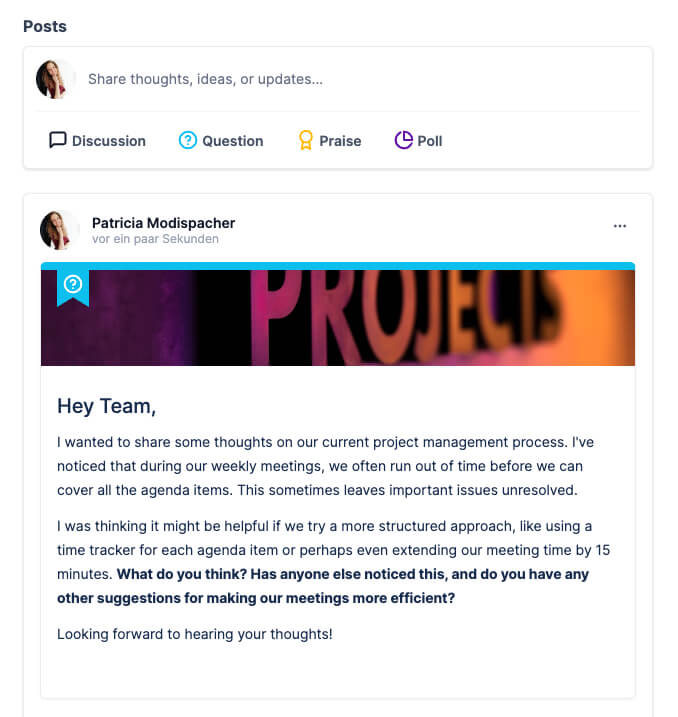
Mentorship programs where leaders actively mentor employees can foster personal and professional growth. Transparency is your best friend; be open about the company’s direction, challenges, and achievements. It is therefore important to have internal communication at eye level. Communication should not only be top-down, but there should be a platform where all employees can communicate.
4. Promote Professional Development
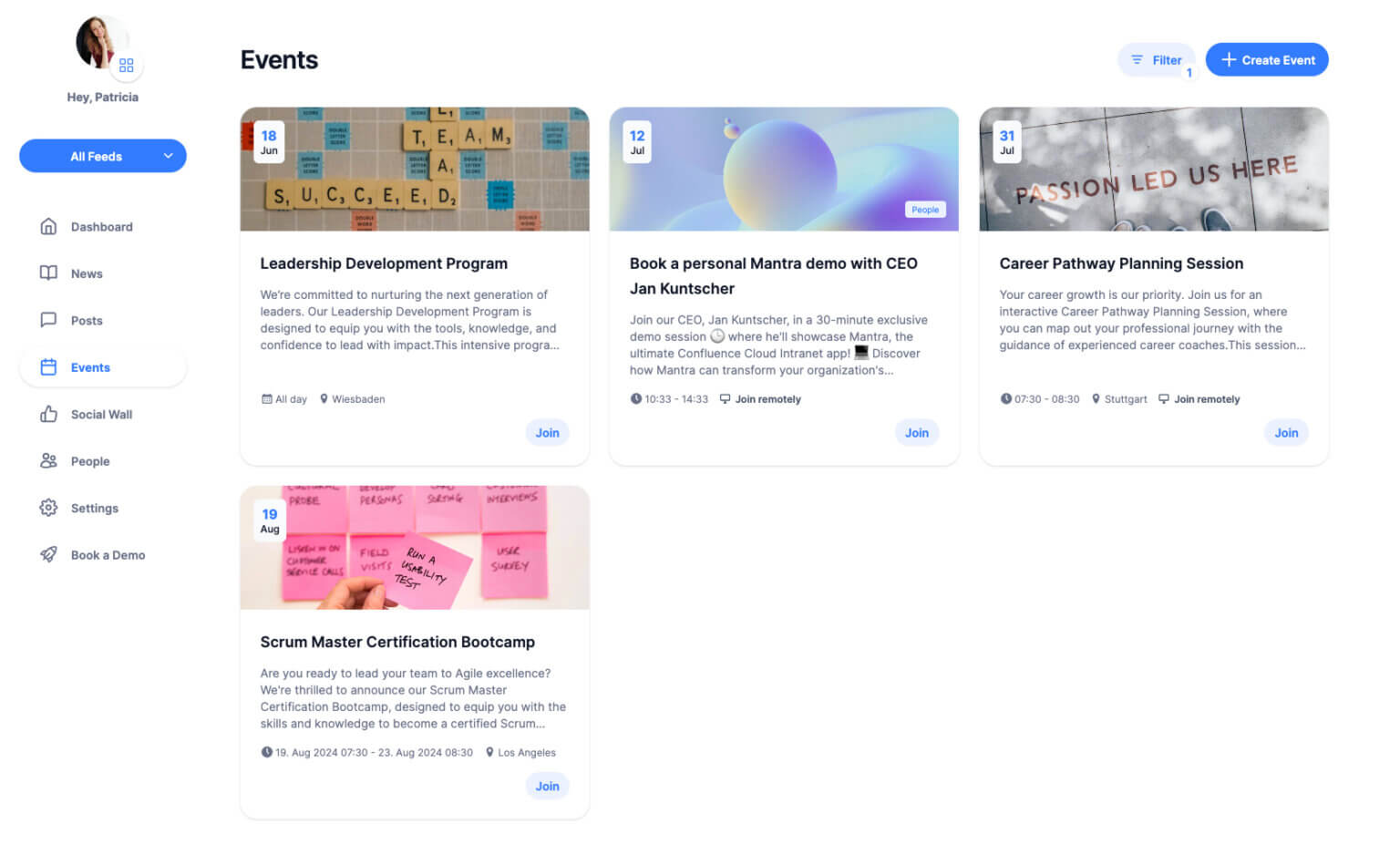
Nobody wants to feel stagnant. By providing opportunities to learn new skills and tackle fresh challenges, you empower employees to become rockstars in their roles. Training programs, conferences, and even mentorship pairings fuel creativity, boost confidence, and unlock hidden potential.
When you prioritize professional development, you’re sending a clear message: you believe in your team’s potential and are committed to their future. This enhances their skills and boosts their job satisfaction and loyalty.
5. Embrace Flexibility: Designing a Work-Life Harmony
Forget 9-to-5! Clinging to outdated working hours will leave you trailing behind the competition and losing top talent. Creating a healthy work-life balance is essential. Flexible working hours and remote work options empower employees to manage their own schedules. This sense of autonomy skyrockets motivation and boosts satisfaction.
Modern collaboration tools and a welcoming remote work environment keep everyone connected, wherever they choose to work (#workation). It’s a win-win for everyone: happy, productive employees and a company that attracts and retains top talent.
6. Focus on Employee Engagement
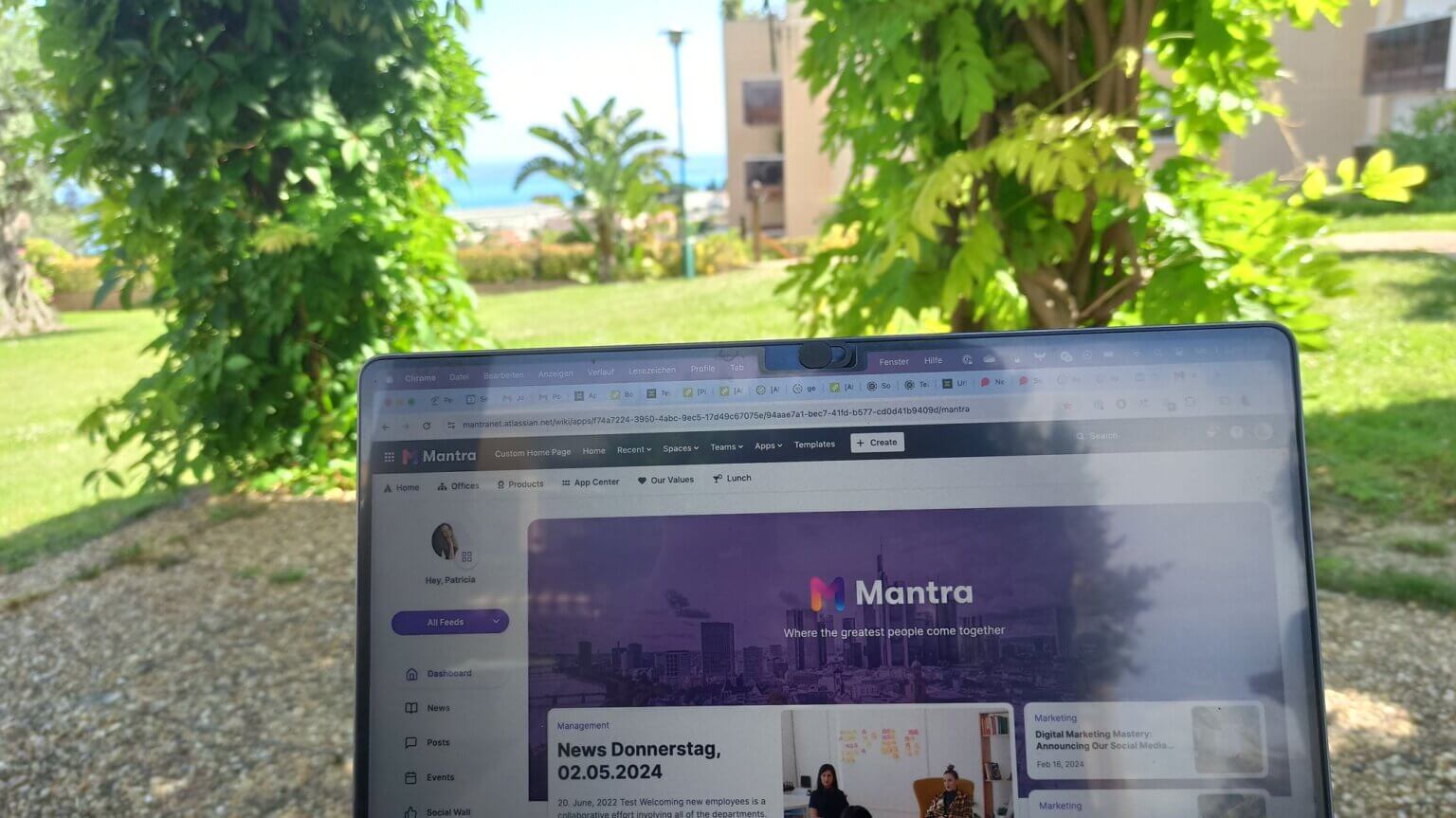
Let’s face it, a good salary is important. It helps us pay the bills and live comfortably. But here’s the secret: money alone won’t ignite a fire in your employees’ hearts. While competitive compensation is a baseline, it’s not the sole driver of engagement, happiness, or loyalty.
A supercharged employee experience is about fostering a culture that goes beyond the paycheck. You don’t just want robots to do mediocre work. You want dedicated people to be engaged.
Engaged employees also have a better employee experience and vice versa. By leveraging this synergy, you can achieve dual benefits with a single approach.
7. Give Honor Where Honor is Due
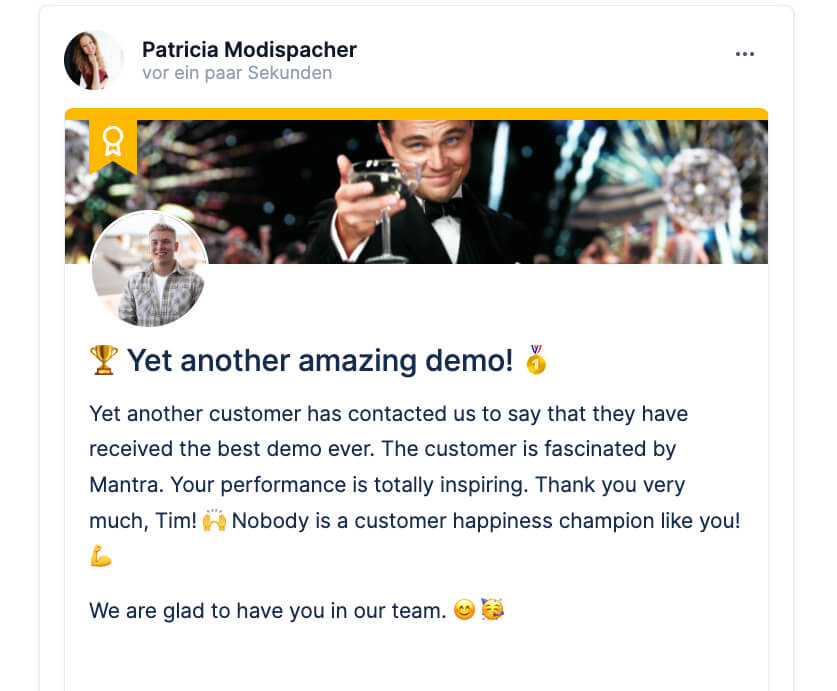
Recognizing success is more than a feel-good moment; it’s essential for boosting morale and creating a positive work vibe. Celebrating achievements, big or small, makes employees feel valued and appreciated.
When you honor great work, it sparks pride and belonging. This isn’t just about office parties or handing out plaques; it’s about creating a work culture where everyone knows their contributions matter.
Public recognition also inspires others. When employees see their peers being celebrated, it sets a benchmark and encourages everyone to aim higher. It’s a ripple effect of positivity and ambition.
8. Cultivating a Healthy and Happy Workforce
Here’s a financial equation you can’t ignore: Healthy employees = Less sick days + Lower healthcare costs + Increased productivity = Win-Win. Investing in health and wellness programs is a strategic move that pays off in multiple ways. When employees are healthy, they’re less likely to take sick leaves, saving your company money and keeping productivity high.
Plus, a strong wellness program boosts talent acquisition and retention.
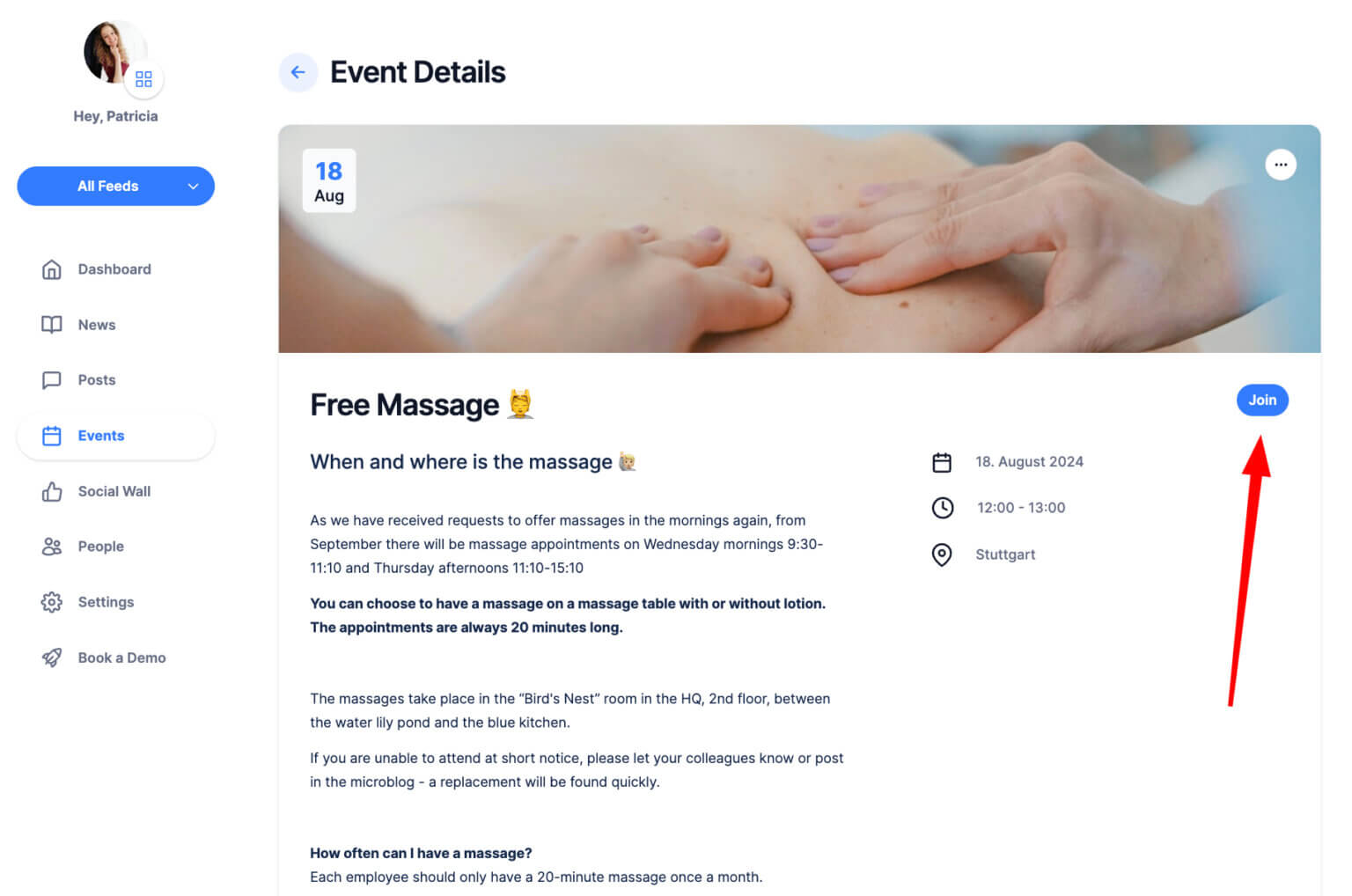
From on-site fitness classes, free massages, to mental health resources, wellness initiatives create a supportive environment that enhances overall job satisfaction.
9. Communication is key
Most problems in the world — and in the workplace — are caused by a lack of understanding. This leads to frustration and mistrust. The solution is communication. But here’s the challenge: your workforce is a diverse bunch. They come from different backgrounds, work across various time zones, and likely belong to different generations, each with their preferred communication styles.
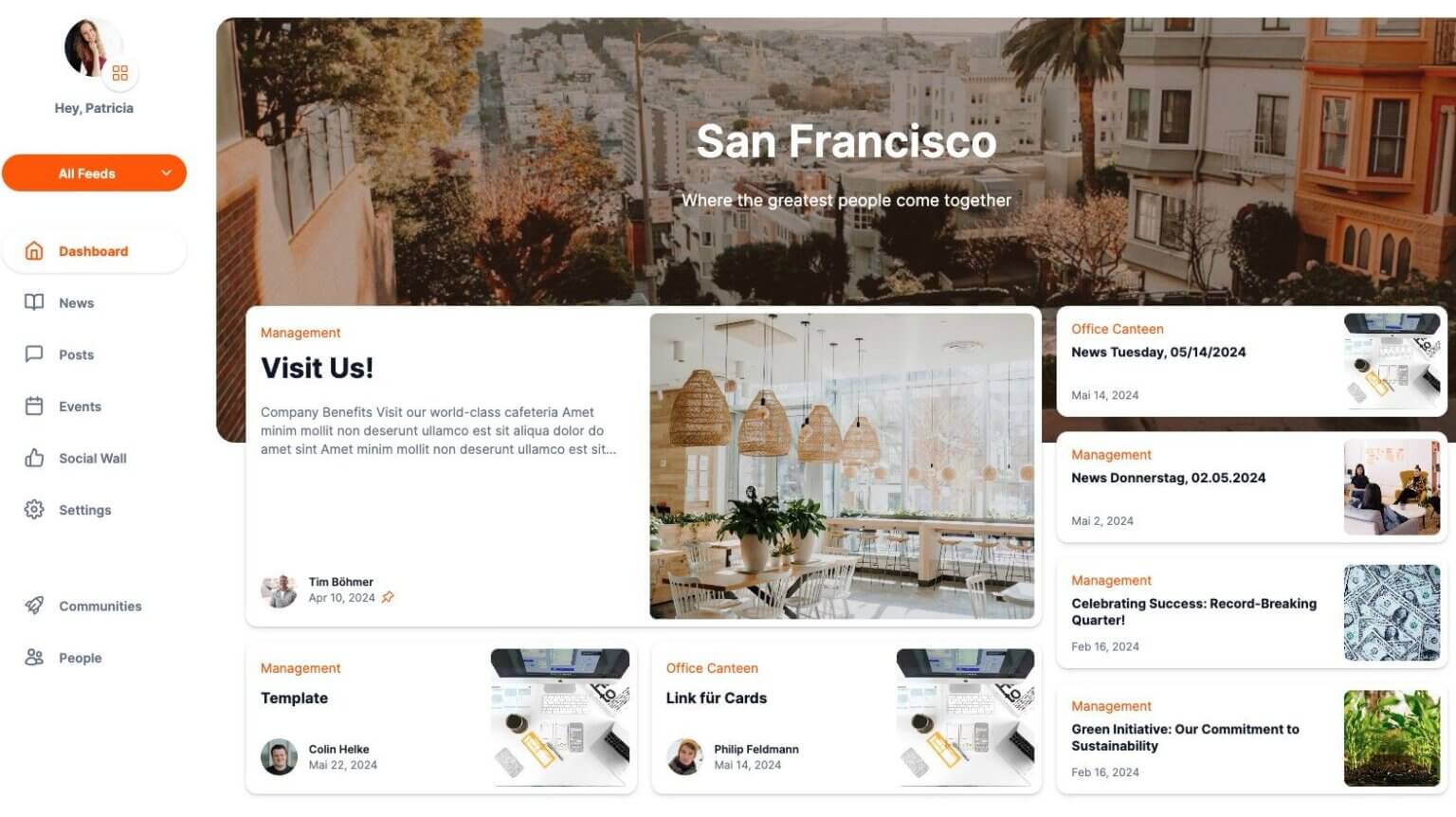
Using the right communication tools creates a communication infrastructure that’s flexible and inclusive. A good corporate social intranet, like Mantra, for example, can build those bridges and ensure everyone is heard, understood, and working towards a common goal.
10. Act on Employee Feedback
You’ve built the communication channels, encouraged open dialogue, and gathered valuable feedback from your employees. Now comes the crucial part: taking action.
But remember: not all feedback is created equal. Identify the most common themes and prioritize the suggestions with the biggest potential impact. Develop a clear action plan with timelines and designated owners, creating a roadmap for implementing these changes.
Finally, communicate progress. Keep employees informed about the steps being taken to address their feedback. This shows transparency and reinforces the value of their input, closing the loop and demonstrating that their voices are truly heard.
Conclusion: Investing in Your People Pays Off
Transforming the employee experience is about creating a workplace where everyone feels valued and motivated. By focusing on the entire employee life cycle — from attraction and recruitment to development and retention — you can build a work culture that goes beyond the paycheck.
Tools like Confluence and Mantra can help you achieve this by enhancing collaboration and engagement.
Remember, a happy employee is a productive one.
Supercharge your Confluence
Let’s create something extraordinary together
Schedule a free consultation with our team and let’s make things happen!
Book a demo
Alright, so I gave r36588vin a try. The odds are fair and they paid out quickly. What more can you ask for? Definitely worth a look. You can find them here: r36588vin
Decided to give hello88bet a whirl. Registration was easy peasy and the site is pretty clean. Fingers crossed for some wins. You may want to give a try. hello88bet